Mapungubwe National Park is one of South Africa’s most fascinating historical destinations. The park protects the remains of Mapungubwe, one of Africa’s earliest kingdoms.
Between 1200 and 1290 AD, the kingdom flourished on Mapungubwe Hill. During this period, traders connected the kingdom to distant regions, including China and India. As a result, Mapungubwe became an important center of trade and culture.
Today, visitors can explore this remarkable heritage while enjoying wildlife, scenic landscapes, and cultural attractions.
The Ancient Kingdom of Mapungubwe
Mapungubwe was once a powerful kingdom in southern Africa. However, people abandoned the settlement during the 14th century.
Despite its decline, archaeologists discovered many important artifacts. The most famous is the golden rhino, which symbolizes the kingdom’s wealth and influence.
These discoveries reveal the sophistication of one of Africa’s earliest states.
Rock Art and Cultural Heritage
The region’s history stretches back long before the Mapungubwe Kingdom.
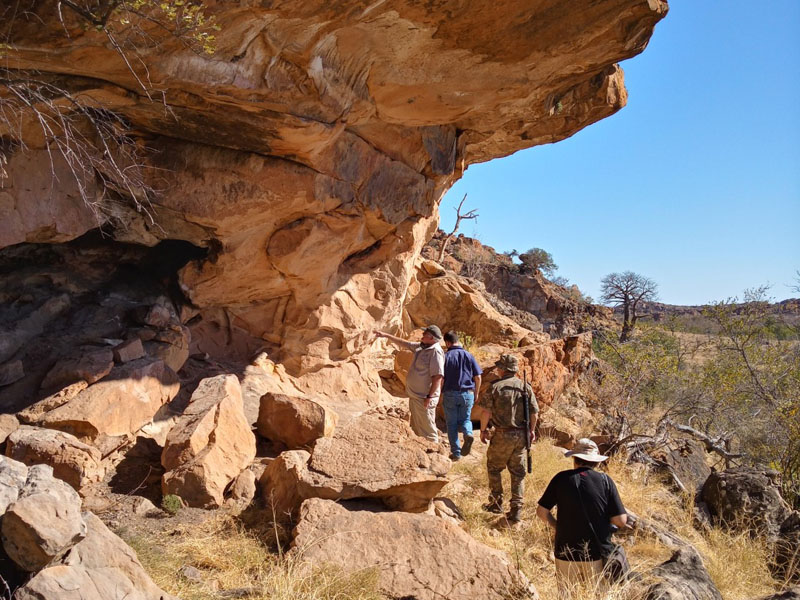
Visitors can see ancient rock art created by the San people. These paintings and engravings tell the story of communities that lived in the area thousands of years ago.
As a result, the landscape offers both historical and cultural significance.
UNESCO World Heritage Site
The Mapungubwe Cultural Landscape is a UNESCO World Heritage Site.
It includes the ancient palace ruins and several important archaeological sites. Furthermore, the designation helps protect this valuable heritage for future generations.
To learn more about the site, visit the UNESCO World Heritage Centre.
Camping and Outdoor Experiences
Many visitors enjoy camping in Mapungubwe National Park.
The park offers beautiful landscapes, unique rock formations, and excellent wildlife viewing opportunities. In addition, visitors can enjoy guided walks and scenic drives.
“It’s quite remote and the road has many potholes. However, the trip was worth it for the wildlife, beautiful baobab trees, and striking rock formations.”
— Kamau
How to Get There
Mapungubwe National Park is accessible by both road and air.
The nearest airport is Polokwane International Airport. It is about 200 kilometers from the park and takes roughly three hours to reach by road.
For international visitors, Johannesburg’s O. R. Tambo International Airport is the main gateway. From there, the drive to the park takes about five hours.
Climate and Best Time to Visit
Mapungubwe has a semi-arid climate.
Most rainfall occurs between December and March. During summer, temperatures can rise above 40°C. Therefore, early morning and late afternoon activities are the most comfortable.
Winter runs from June to September. During this period, temperatures are mild and pleasant.
As a result, many travelers consider winter the best time to visit the park.
If you are planning a trip, explore our South Africa safari packages for more travel inspiration.
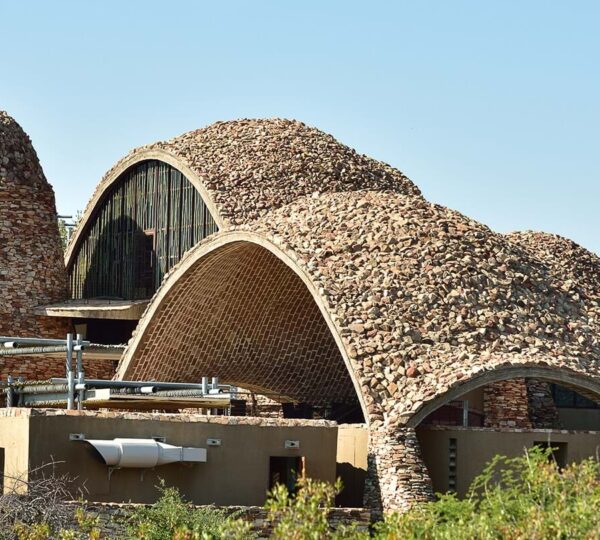
Mapungubwe National Park preserves one of southern Africa’s most important archaeological and cultural heritage sites.
Climate
The region has a semi-arid climate, with average annual rainfall of between 350 and 400 millimetres. Rain is scarce and typically falls on only about ten days a year, almost exclusively during the summer months from December to March. During this period, temperatures can occasionally soar to 45°C. While the summer heat can be intense, it remains manageable—and even enjoyable—if activities such as game drives are planned for the early morning or late afternoon, which also happen to be the most rewarding times for wildlife viewing.
In contrast, the winter months from June to September are pleasantly mild, offering comfortable conditions for exploring the area.