Discover Ancient Footprints in Mapungubwe National Park
Step back in time to one of Africa’s earliest kingdoms, perched atop Mapungubwe Hill in present-day South Africa. Between 1200 and 1290 AD, this hilltop settlement thrived as the center of a powerful kingdom established by the Shona people. Far from isolated, its rulers and traders were connected to a vast commercial network that stretched across the Indian Ocean, reaching distant lands such as China and India.
By the 14th century, however, the kingdom had been mysteriously abandoned, leaving behind remarkable evidence of its former prosperity. Among the most extraordinary discoveries is the famous golden rhino, a small but powerful symbol of the kingdom’s wealth, craftsmanship, and authority. Archaeologists have also uncovered a wealth of other artifacts that reveal the sophistication, influence, and far-reaching connections of this early African state.
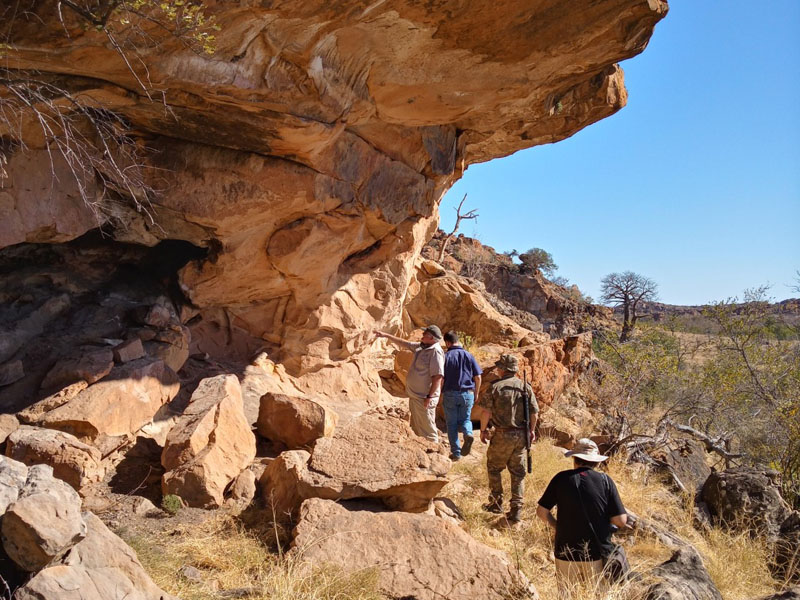
The region’s cultural richness extends even further back in time. Across the landscape, striking rock art—paintings and engravings created by the San people—continues to bear witness to a much older human story. Today, the Mapungubwe Cultural Landscape, encompassing the ancient palace ruins and its principal archaeological sites, is recognized as a UNESCO World Heritage Site and forms part of Mapungubwe National Park, preserving this extraordinary legacy for future generations.
Build camping easily.
The park is best known for the Mapungubwe Cultural Landscape, the remarkable archaeological site that marks the birthplace of southern Africa’s first indigenous kingdom. .
“It’s quite remote and the road is full of potholes, but the trip was absolutely worth it for the incredible wildlife, beautiful baobabs, and those striking rock formations.”
-Kamau
How to get there
The nearest domestic gateway to the park is Polokwane International Airport, located roughly 200 kilometres away—about a three-hour drive by road. For international travelers, the most convenient entry point is O. R. Tambo International Airport in Johannesburg. From there, the journey to Mapungubwe takes approximately five hours by car.
Climate
The region has a semi-arid climate, with average annual rainfall of between 350 and 400 millimetres. Rain is scarce and typically falls on only about ten days a year, almost exclusively during the summer months from December to March. During this period, temperatures can occasionally soar to 45°C. While the summer heat can be intense, it remains manageable—and even enjoyable—if activities such as game drives are planned for the early morning or late afternoon, which also happen to be the most rewarding times for wildlife viewing.
In contrast, the winter months from June to September are pleasantly mild, offering comfortable conditions for exploring the area.