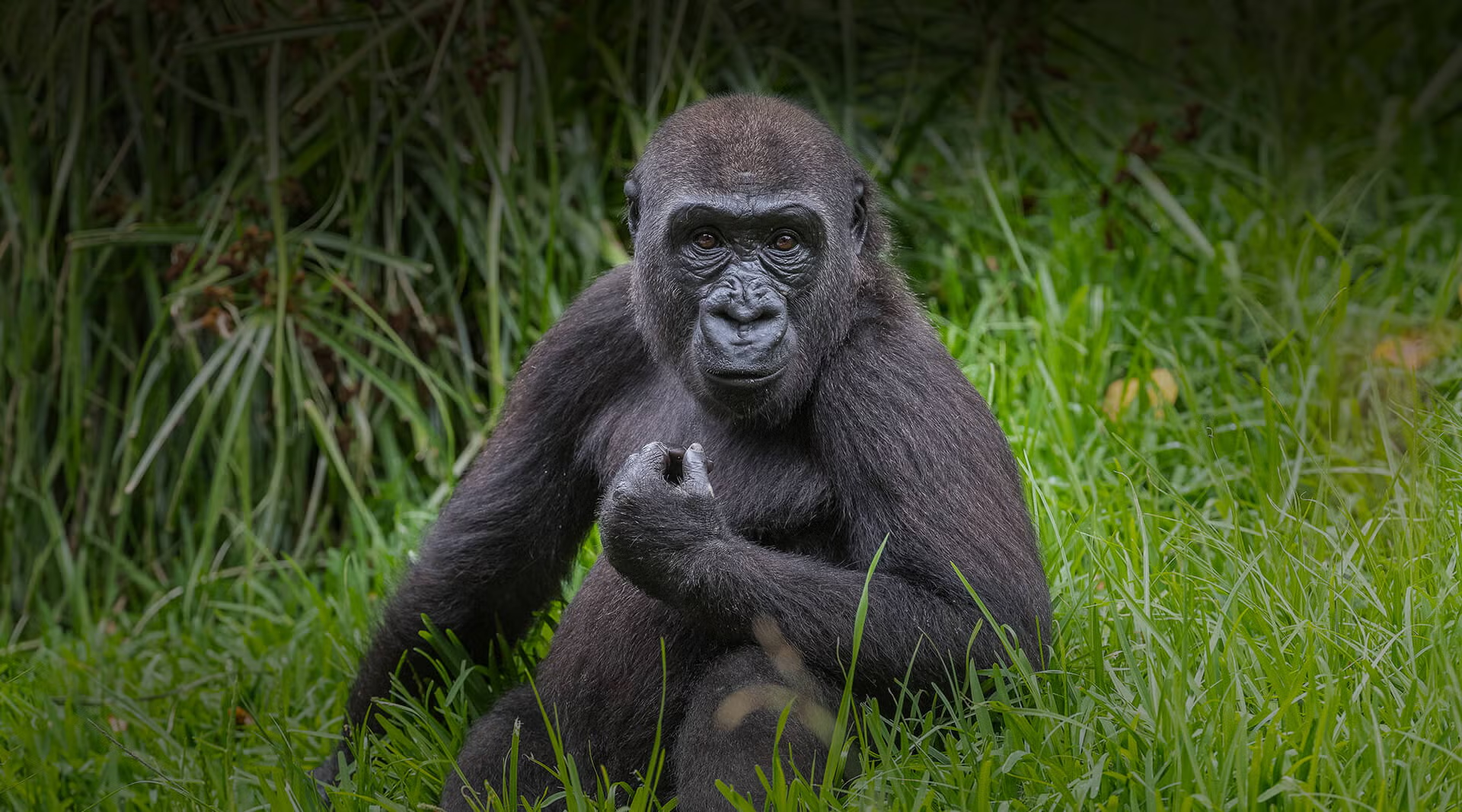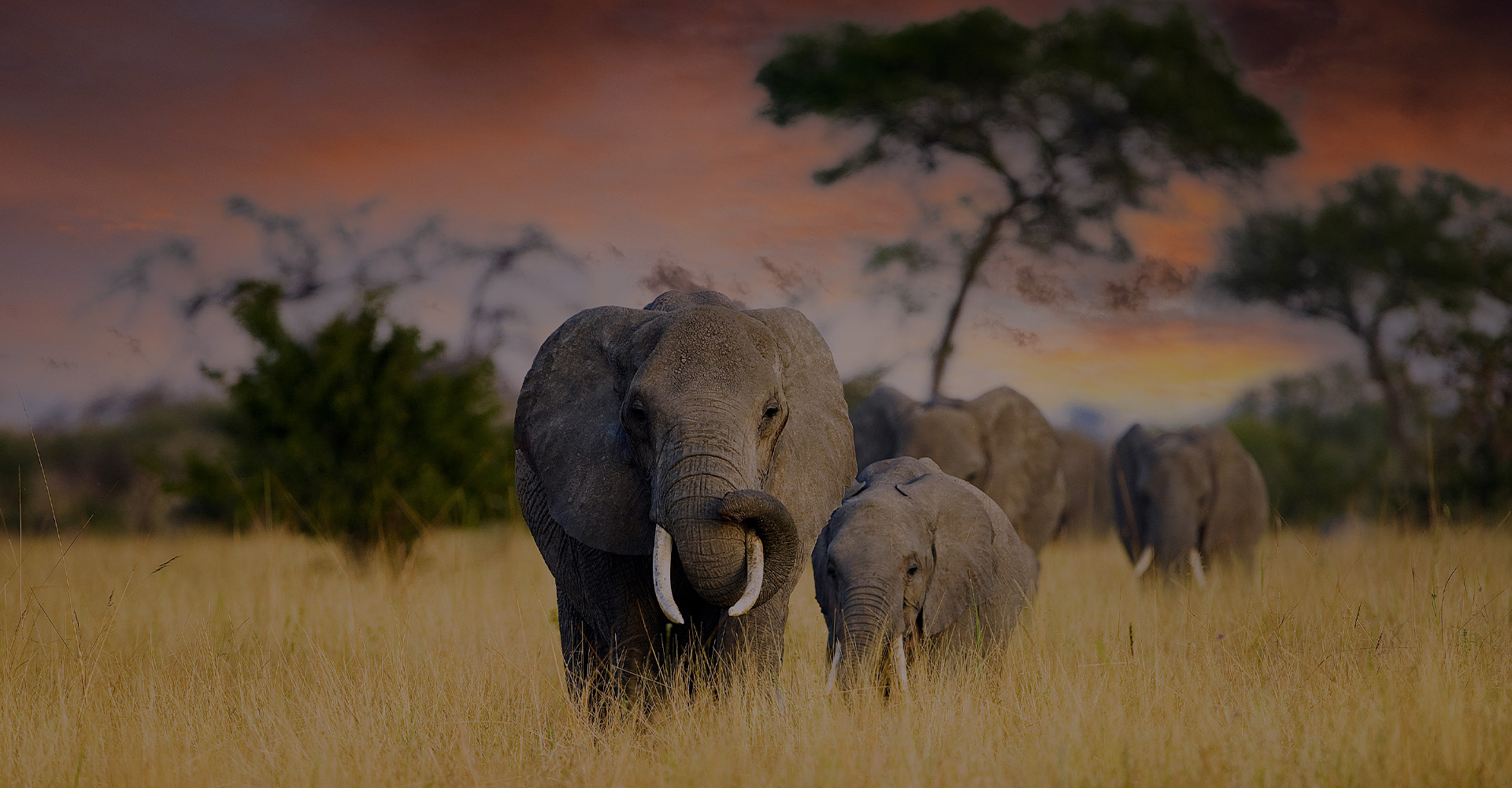
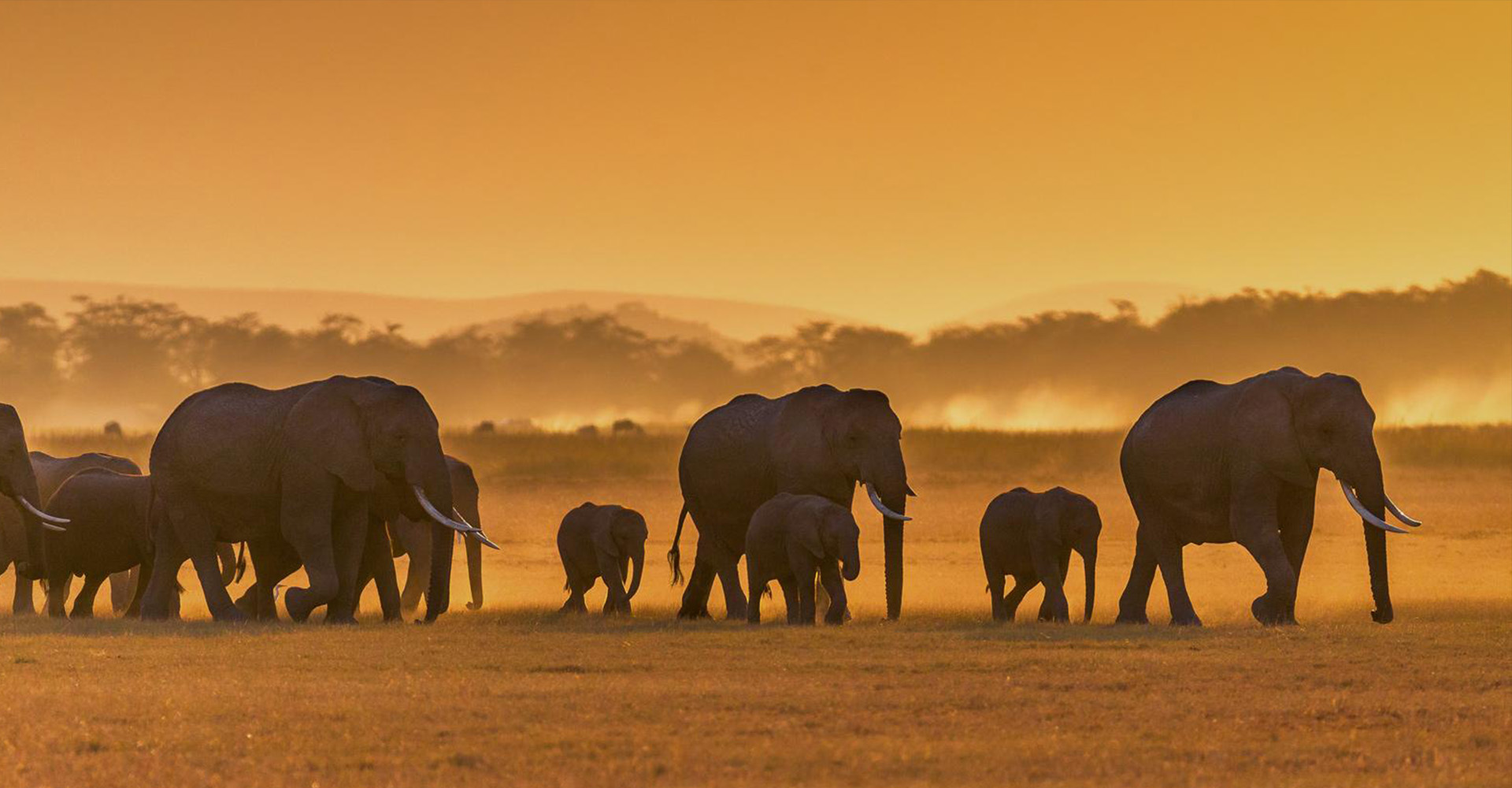
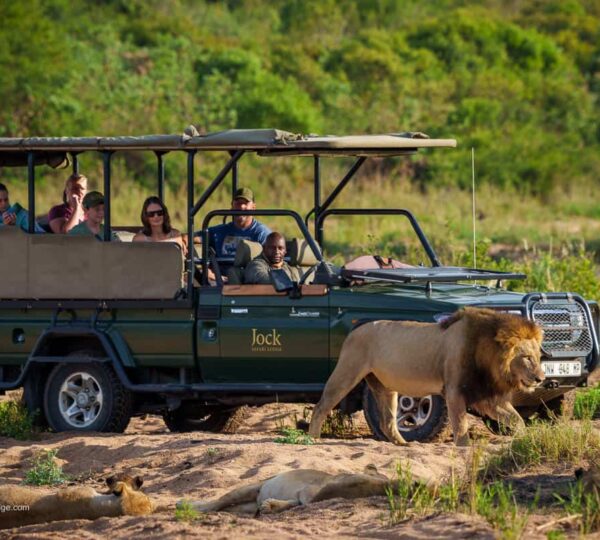
Kruger National Park has one of the highest wildlife densities in South Africa. It is home to a wide variety of animals, including around 147 mammal species. According to South African National Parks (SANParks), the park is one of the country’s leading wildlife destinations. A game drive gives you the best chance of seeing the famous Big Five. These are lion, leopard, elephant, buffalo, and rhino.
You may also see giraffes, kudus, zebras, hippos, warthogs, antelope, and spotted hyenas. Cheetahs and African wild dogs are also present in the park. However, they are harder to spot. Both black and white rhinos live in Kruger. Still, sightings are not guaranteed, so patience is important.
For bird lovers, Kruger is also a great destination. The park has over 500 bird species. In addition, it is home to the Big Six birds. These include the kori bustard, lappet-faced vulture, martial eagle, ground hornbill, saddle-billed stork, and Pel’s fishing owl. These remarkable birds are among the highlights of a visit to the park.
Activities in Kruger National Park
Kruger National Park is vast and well developed. As a result, visitors can enjoy many activities beyond the traditional game drive. Game drives are available during the day and at night.
- Birdwatching
- Walking safaris
- Community visits to the San, Xhosa, and Zulu cultures
- Visits to natural attractions like Bourke’s Luck Potholes
- Hot-air balloon rides
Kruger National Park is South Africa’s best-organized safari destination. It offers a wide range of accommodation and rich wildlife, including the Big Five. In addition, the landscape changes from lush scenery in the south to more remote wilderness in the north.
The park is ideal for first-time safari travelers. However, it also suits experienced visitors. They can enjoy bush walks and excellent game viewing.
- Murphy
How to Get to Kruger from Johannesburg
Kruger National Park is about 4 to 6 hours from Johannesburg by road. Most travelers drive or join guided tours.
Alternatively, you can take a short domestic flight to airports like Skukuza or Nelspruit. From there, you continue by road to the park.
If you’re planning a trip to the country, explore our South Africa destination guide for more travel inspiration.
Best time to visit Kruger National Park
Visitors can explore Kruger National Park throughout the year. However, each season offers a different experience.
The rainy summer months from October to March bring green landscapes and excellent birdwatching opportunities. In addition, many animals give birth during this period. As a result, visitors often see young wildlife. However, temperatures can be quite hot.
If your main goal is to see the Big Five, consider visiting between July and September. During the dry season, water becomes scarce. Consequently, animals gather around rivers and waterholes. This makes wildlife easier to spot. Nights are cool, while daytime temperatures remain pleasant.