Situated in the southern region of Kenya, Amboseli National Park stands as a renowned wildlife conservation area, enticing visitors with its stunning rich biodiversity and stunning landscapes. It is a home to iconic wildlife, hosting four members of the Big Five, from lions to the graceful zebras and countless number of bird species in its swamps and wetlands.
The Iconic Backdrop
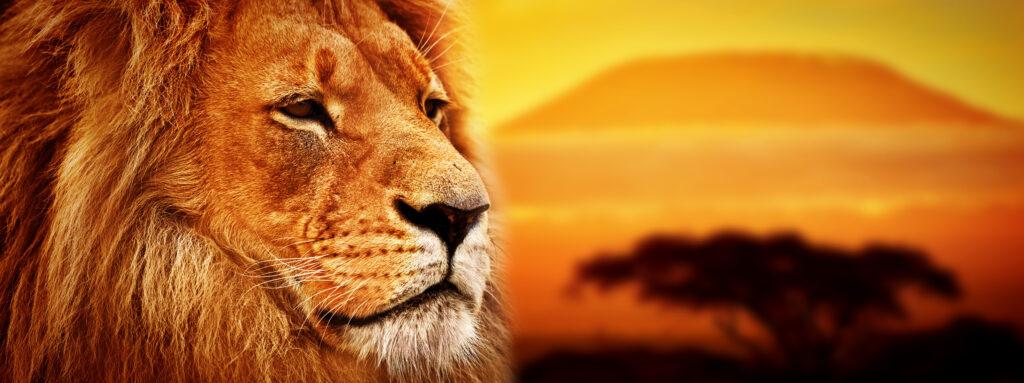
Amboseli National Park is a place where the wild heart of Africa beats strong. It is a land of vast, open plains, shimmering mirages, and the most magnificent tusked giants. But what truly sets Amboseli apart—painting an unforgettable backdrop to every wildlife encounter—is the majestic presence of Mount Kilimanjaro. Its snow-capped peak often pierces through the clouds, seemingly close enough to touch.
Meeting the Gentle Giants
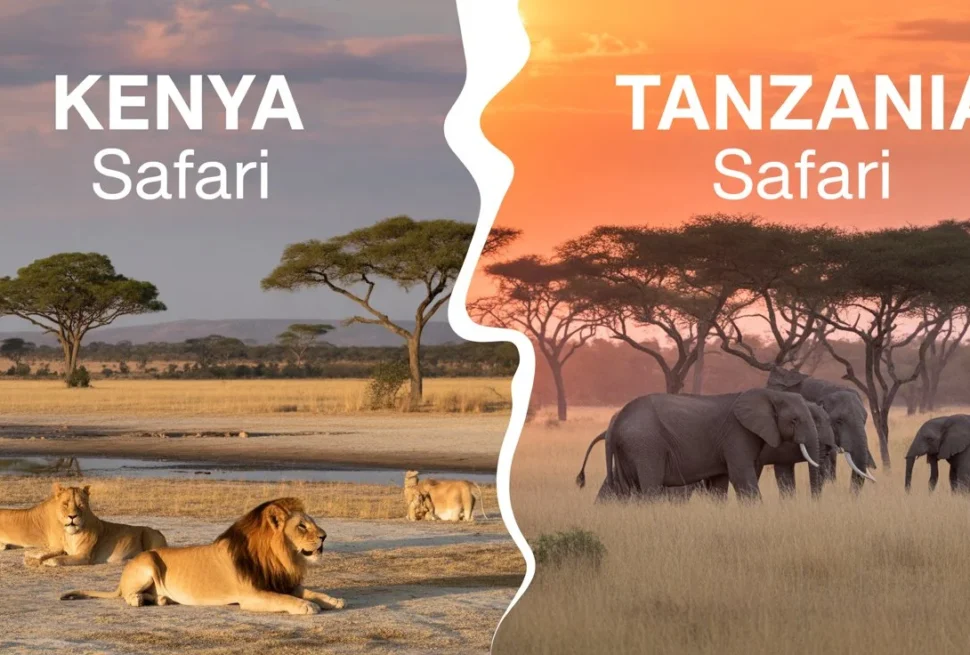
Amboseli is celebrated for its exceptional opportunities for close encounters with free-roaming members of the Big Five. The park is a home to large numbers of African elephants, creating the perfect opportunity for an up close view of up to fifty herds of elephants in one safari, making it a prime destination for both photographers and wildlife enthusiasts.
- Playful Calves: Young elephants wrestling in the dust.
- Protective Matriarchs: The wisdom of the herd in motion.
- Powerful Bulls: Witnessing the sheer scale of Africa’s largest tuskers.
A Vibrant Ecosystem
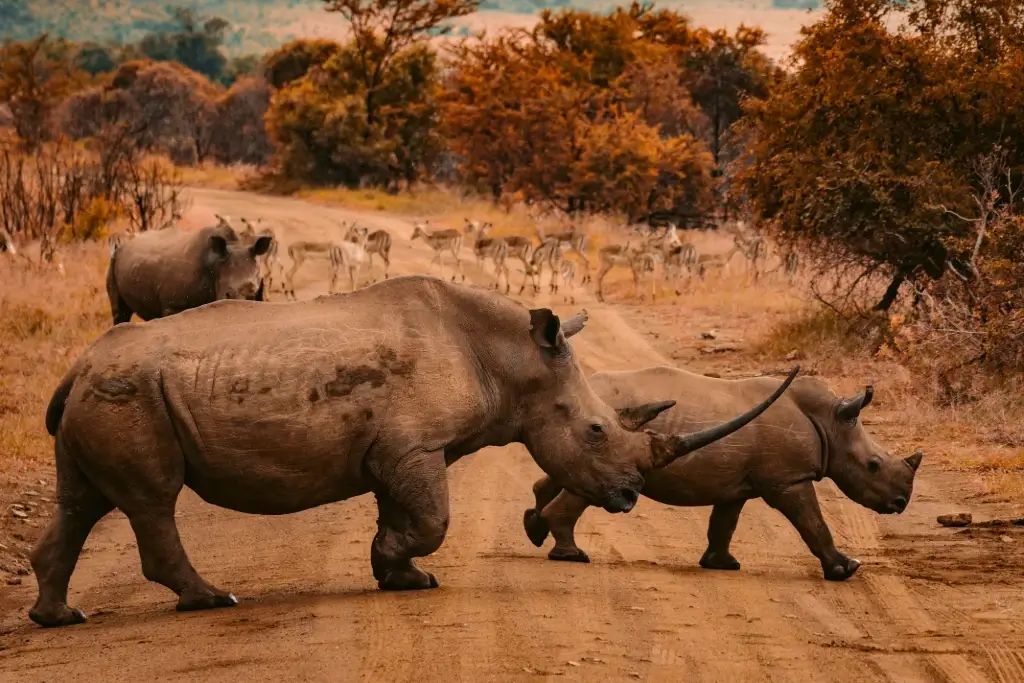
While the elephants are the stars, the supporting cast is just as impressive. The park’s unique hydrology creates permanent swamps that attract a high density of wildlife year-round. Its unique charm lies in its authentic and rich Maasai culture ability to offer unforgettable safari experience in an inspiring natural beauty of Mother Nature, making it a must-visit destination for anyone looking to experience the magic of the Kenyan wilderness.
- Predators: Prides of lions lounging under acacia trees and the occasional elusive leopard.
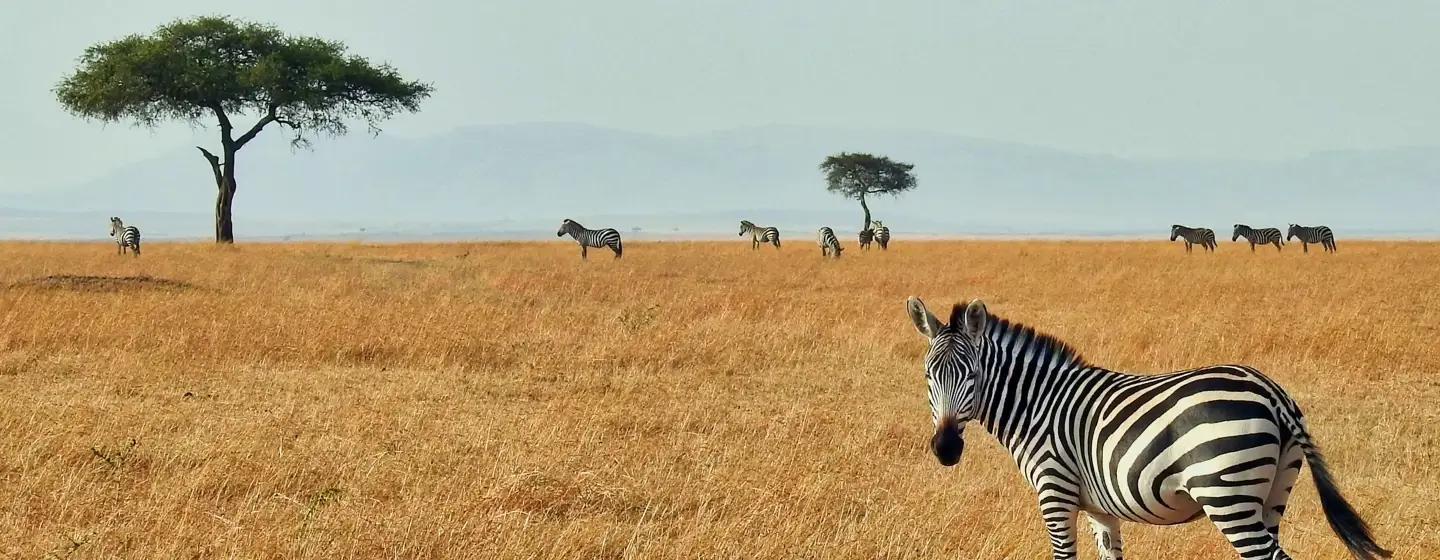
- Grazers: Massive herds of zebra and wildebeest moving across the salt pans.
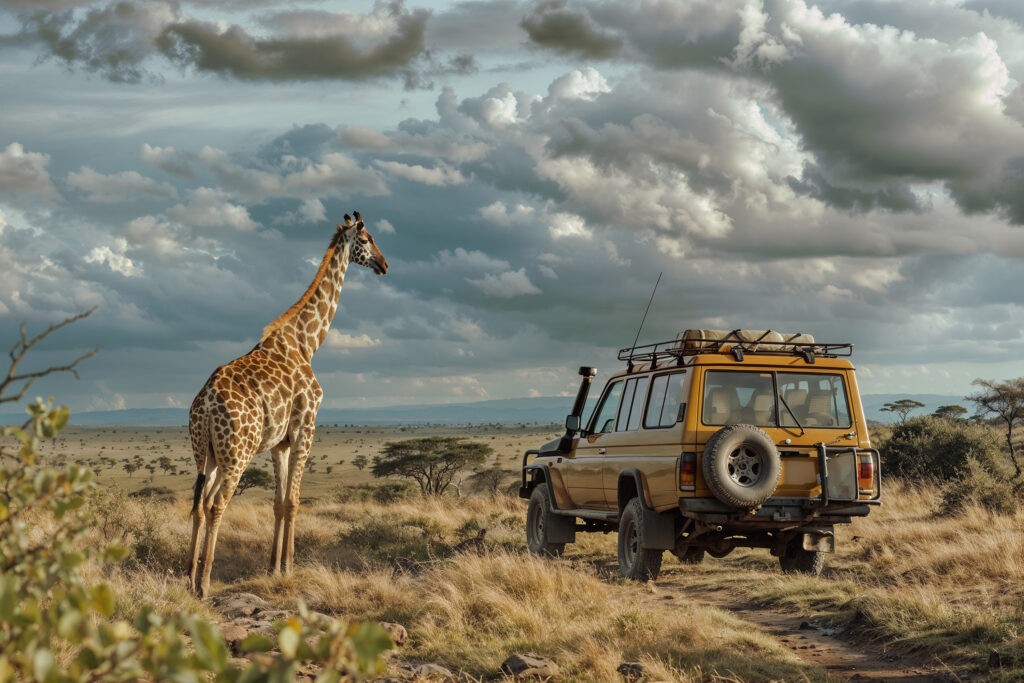
- The Tallest Residents: Giraffes stretching toward the canopy against the blue sky.
Travel Tip: The best time to see Kilimanjaro clearly is at dawn or dusk. During the heat of the day, the mountain often hides behind a thick veil of clouds.